02 · Build
Bring the idea.
We bring the rest: the hardware, the compute, the people. Projects that were out of reach for a student become the ones you show at your next interview.
- ~€40kin AI and cloud credits
- 1ambitious build per semester
- 48 hto get an answer
Hardware
Inventory · being assembled
Equipment
-
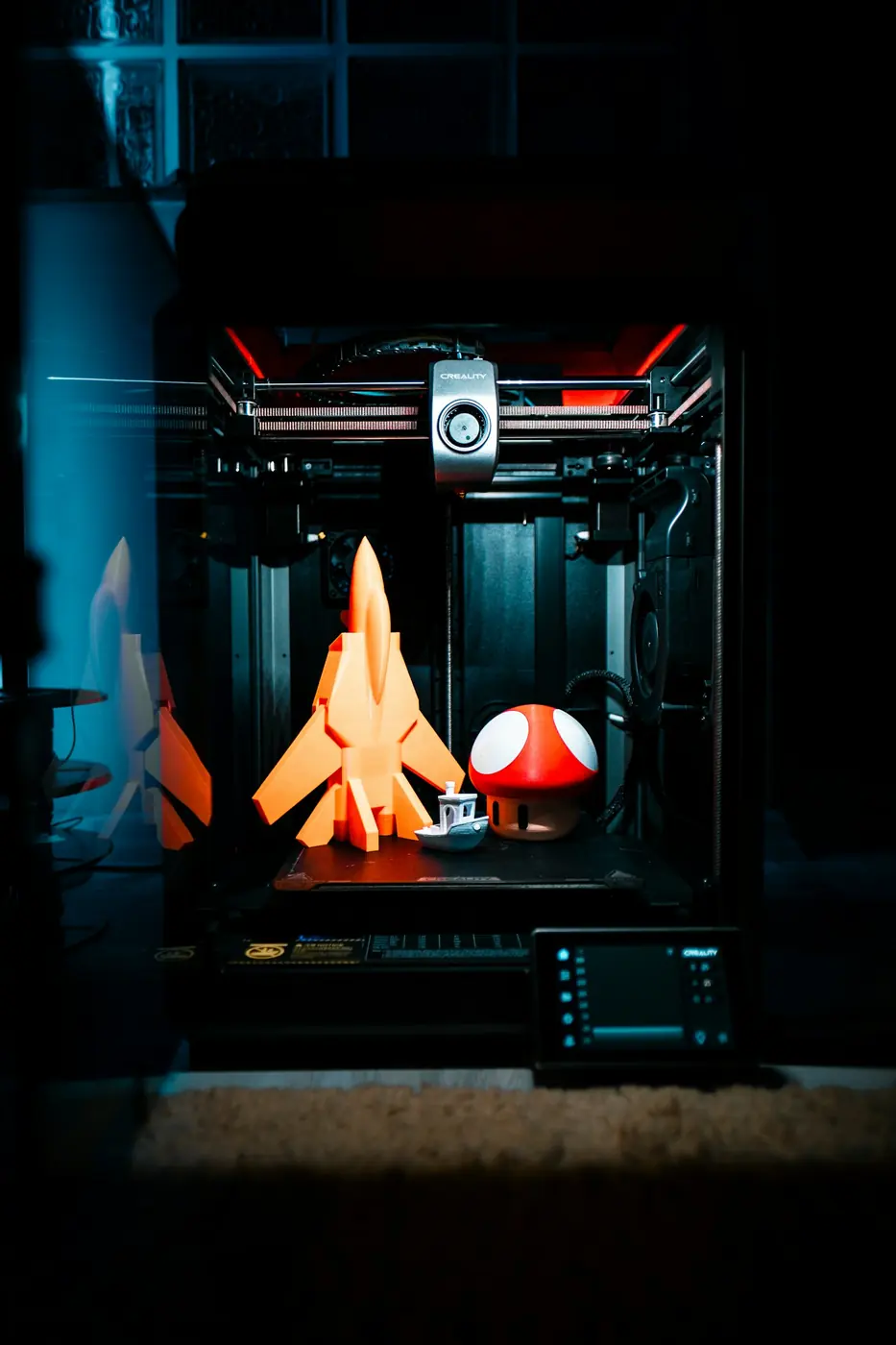
A desktop FDM printer for chassis, mounts, enclosures and jigs. Booked by the slot; we help with modelling and slicing, and we keep spare nozzles and a maintenance kit next to it.
Use cases
- Chassis and mounts for the Edge Series vehicles
- Enclosures for sensors and boards
- Quick mechanical prototypes before ordering parts
-
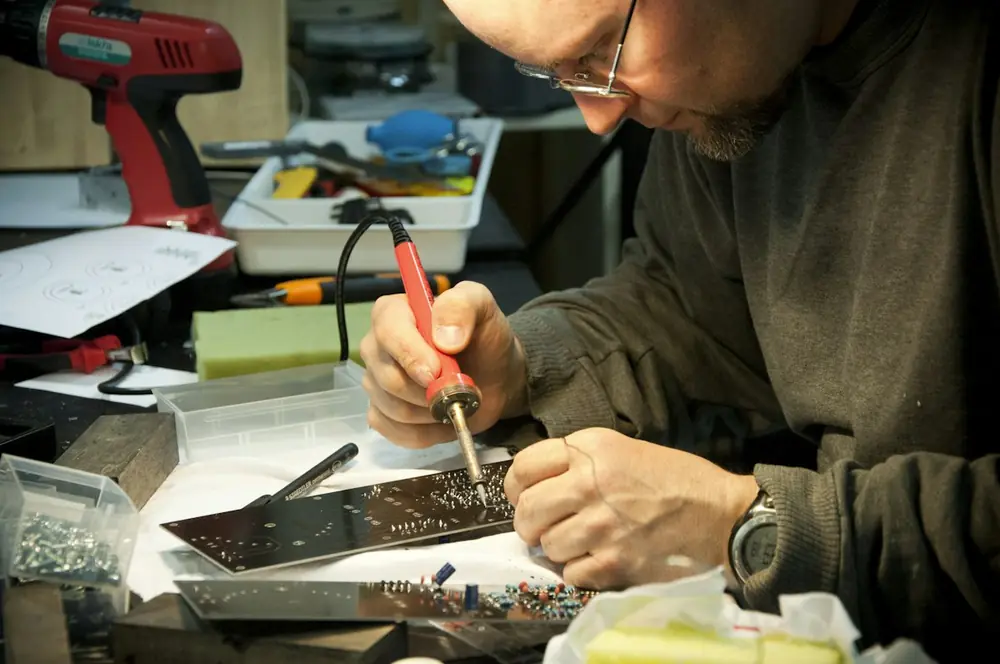
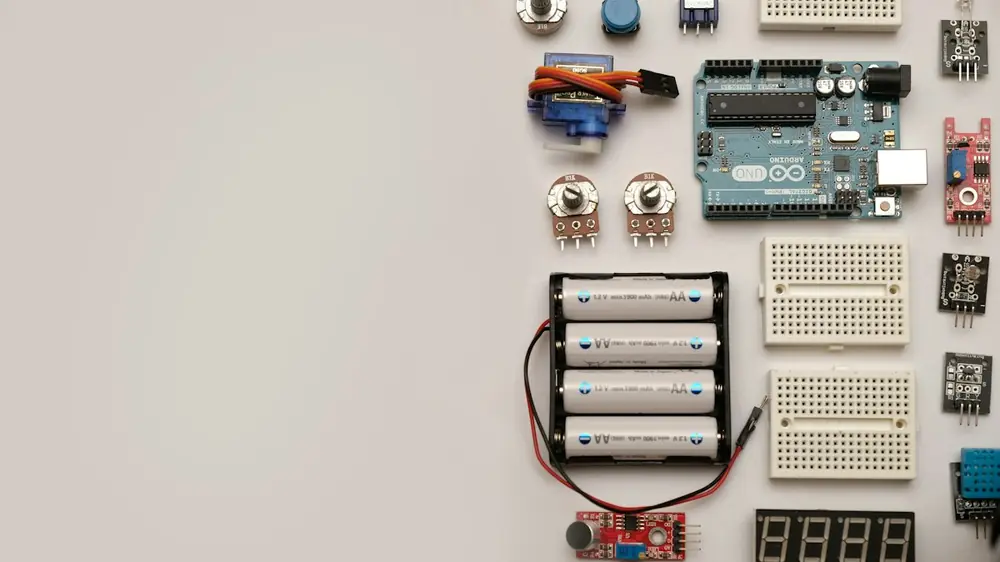
A shared workbench with a temperature-controlled soldering station, a multimeter, breadboards, wires and a drawer of passive components. Used on site, with a short safety briefing the first time.
Use cases
- Soldering headers, connectors and sensor boards
- Debugging a circuit that does not power up
- Wiring a prototype before it goes on a PCB
Components
-
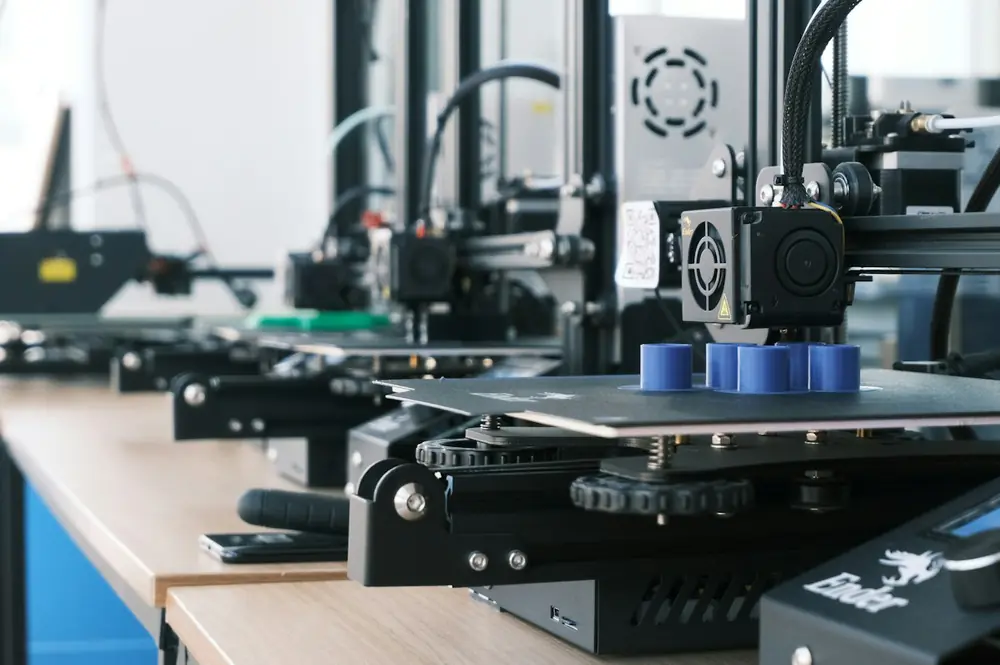
PLA for quick parts, PETG for parts that take load or heat. Members print from the shared spools; large jobs are agreed in advance.
Use cases
- Structural parts in PETG
- Visual prototypes in PLA
-
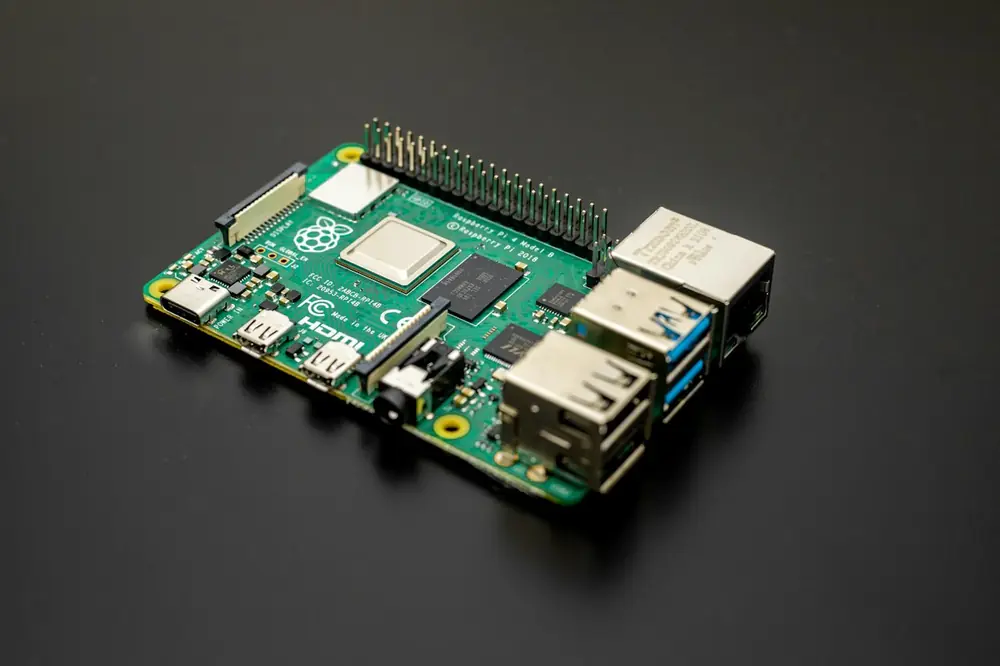
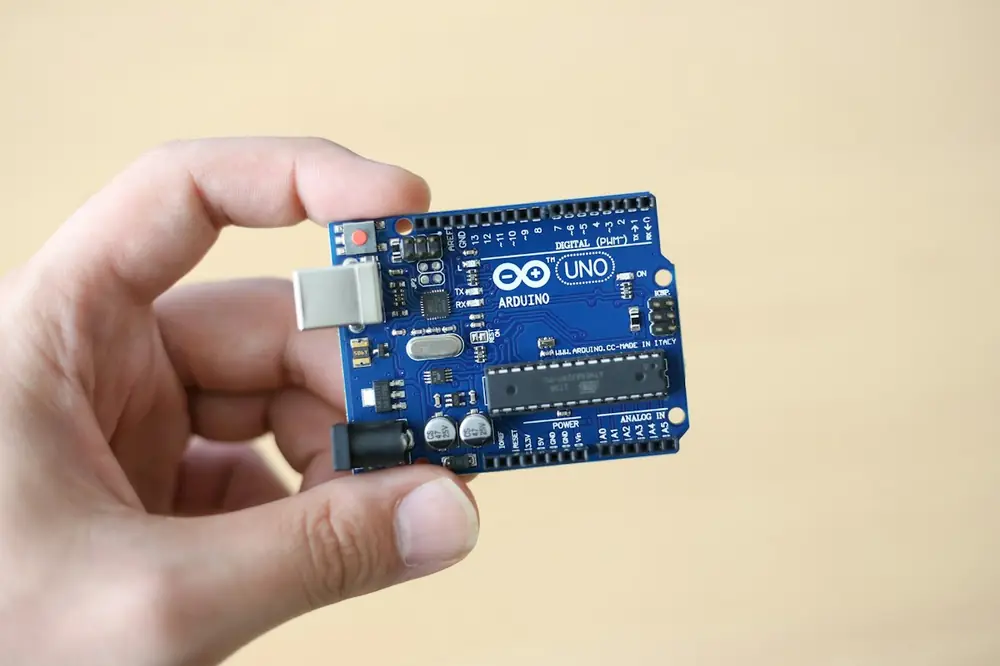
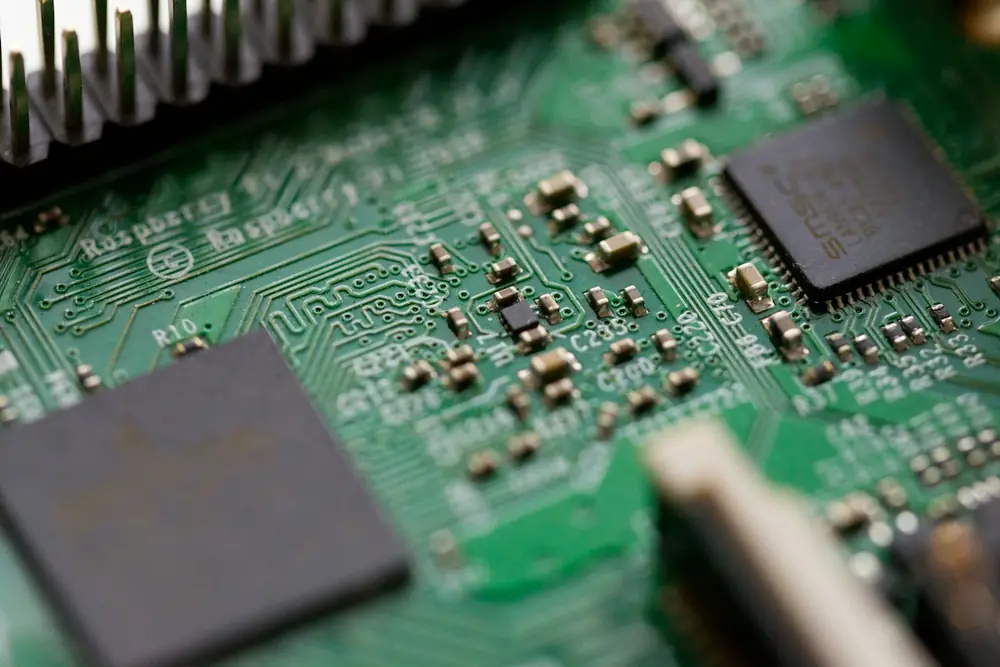
A single-board computer that runs a full Linux, a camera and a small neural network. Lent for the length of a project, with a pre-flashed SD card.
Use cases
- On-board computer of an autonomous vehicle
- Edge inference with a camera
- Small home servers and data loggers
-
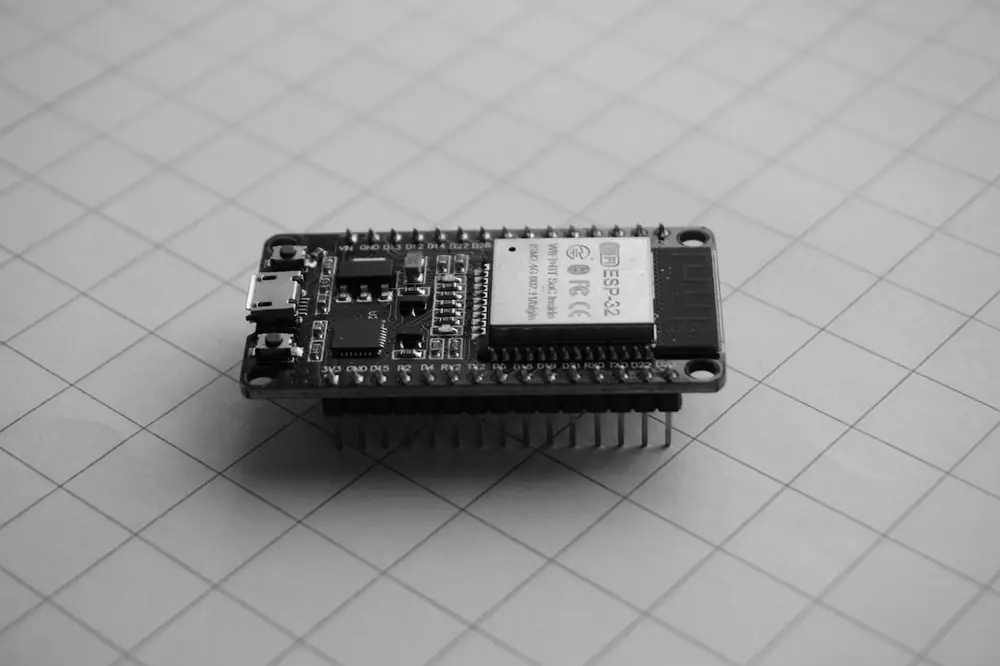
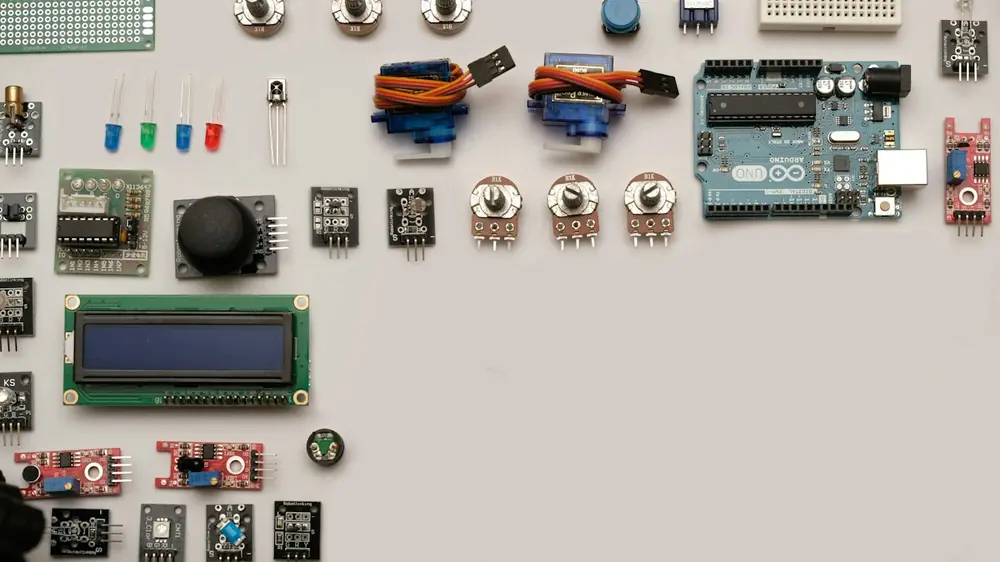
Cheap, fast microcontrollers with radio. Programmed in C++ or MicroPython, they read sensors, drive motors and talk to a phone or a server.
Use cases
- Motor and servo control on a vehicle
- Wireless sensor nodes
- Anything that needs a button, a light and Wi-Fi
-
Wide-angle camera modules that plug straight into a Raspberry Pi. Good enough for lane following, object detection and time-lapses.
Use cases
- Vision for the Edge Series vehicles
- Dataset collection for a computer-vision project
-
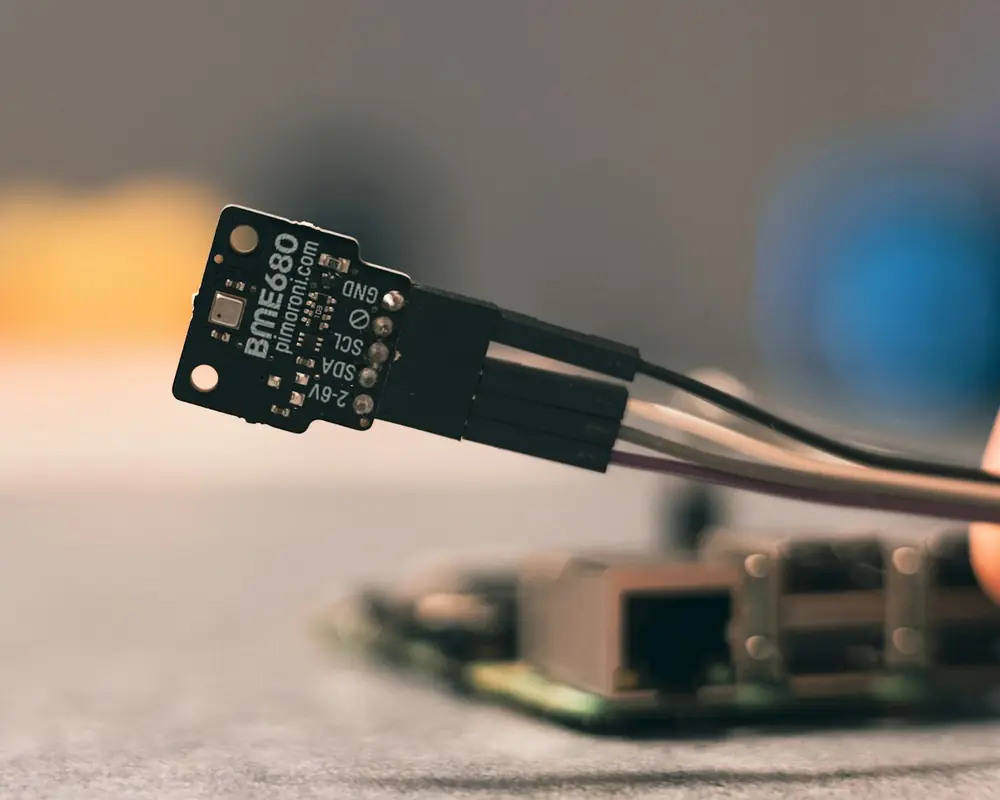
Inertial units to know where you are heading, distance sensors to avoid walls. Breakout boards with I²C or UART, documented and tested.
Use cases
- Odometry and heading on a vehicle
- Obstacle detection
- Physical experiments in a stats project
-
The drive train of a small vehicle: a brushed motor and its speed controller, a steering servo, and the wiring to connect them to a microcontroller.
Use cases
- Propulsion and steering of the Edge Series vehicles
- Pan-tilt mounts, small robots
-
Lithium-polymer packs with their balance chargers and fire-safe bags. Charged on site only, following the checklist on the bench.
Use cases
- Powering a vehicle for a full session
- Portable demos
Software and compute
-
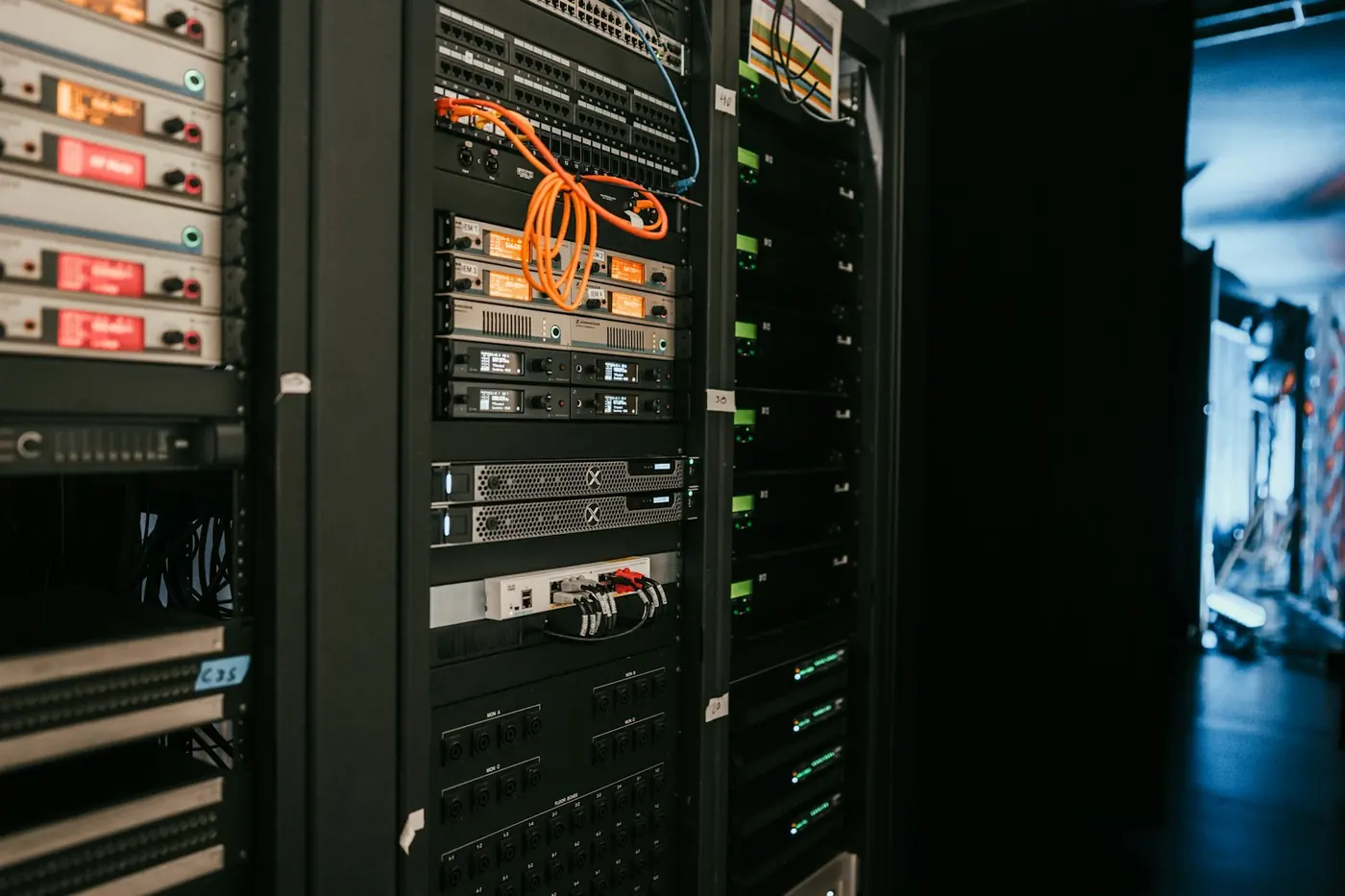
Credits on the main AI and cloud platforms, allocated per project with a monthly cap and a mid-project review. Enough to train, host and evaluate without paying out of pocket.
Use cases
- LLM-based prototypes and evaluations
- Hosting a demo for a jury
- Data pipelines that outgrow a laptop
-
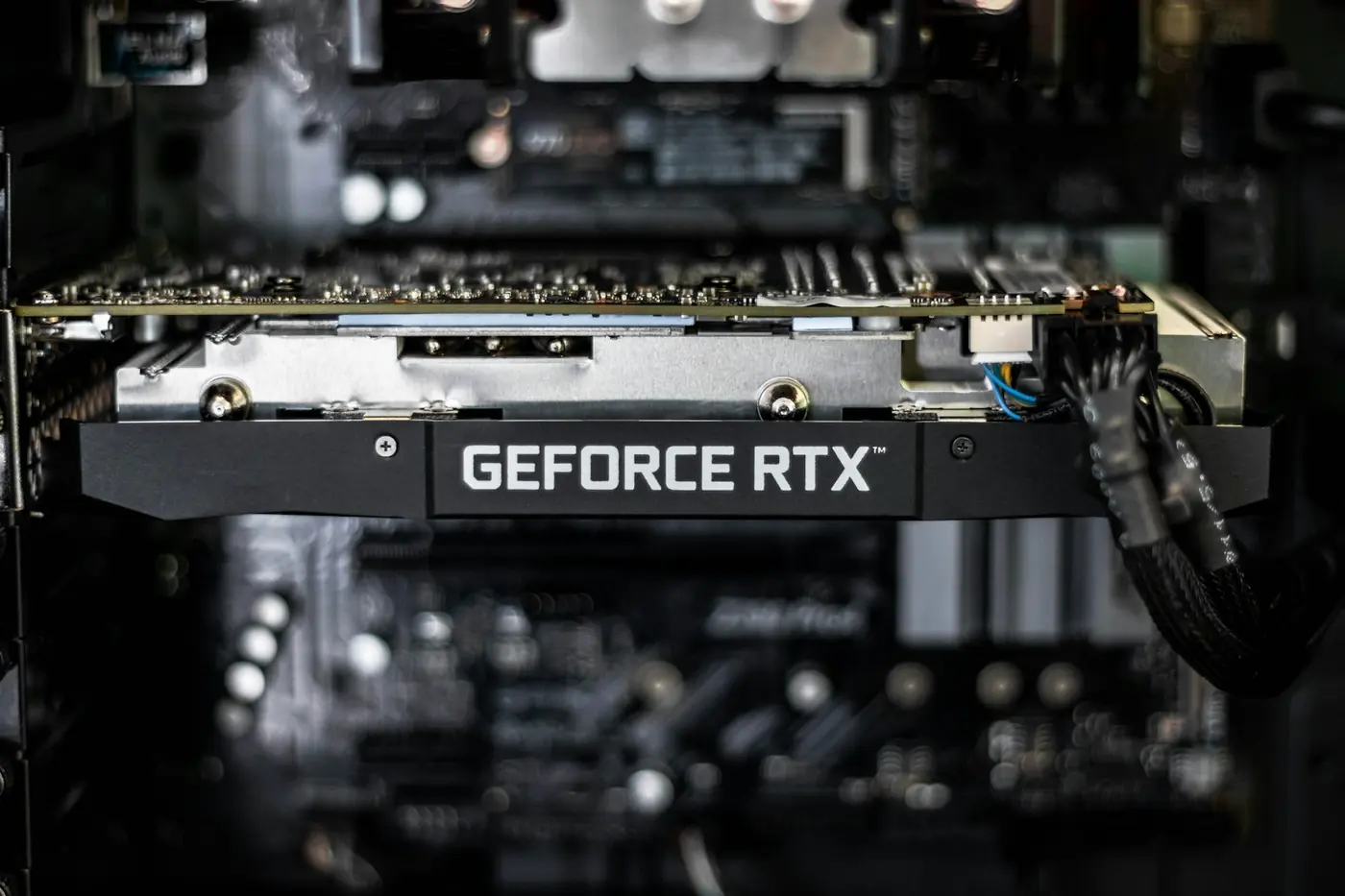
GPU hours in the cloud for training runs, and a shared GPU machine planned for the lab. Jobs are queued and reviewed so that one project does not eat the month.
Use cases
- Reinforcement learning for the Edge Series
- Fine-tuning a model on your own data
- Computer-vision training
-
Keys for the main model providers, one per project, with a spending cap and usage visible to the team.
Use cases
- Agents and assistants
- Structured extraction on documents
- Evaluation of open models against closed ones
-
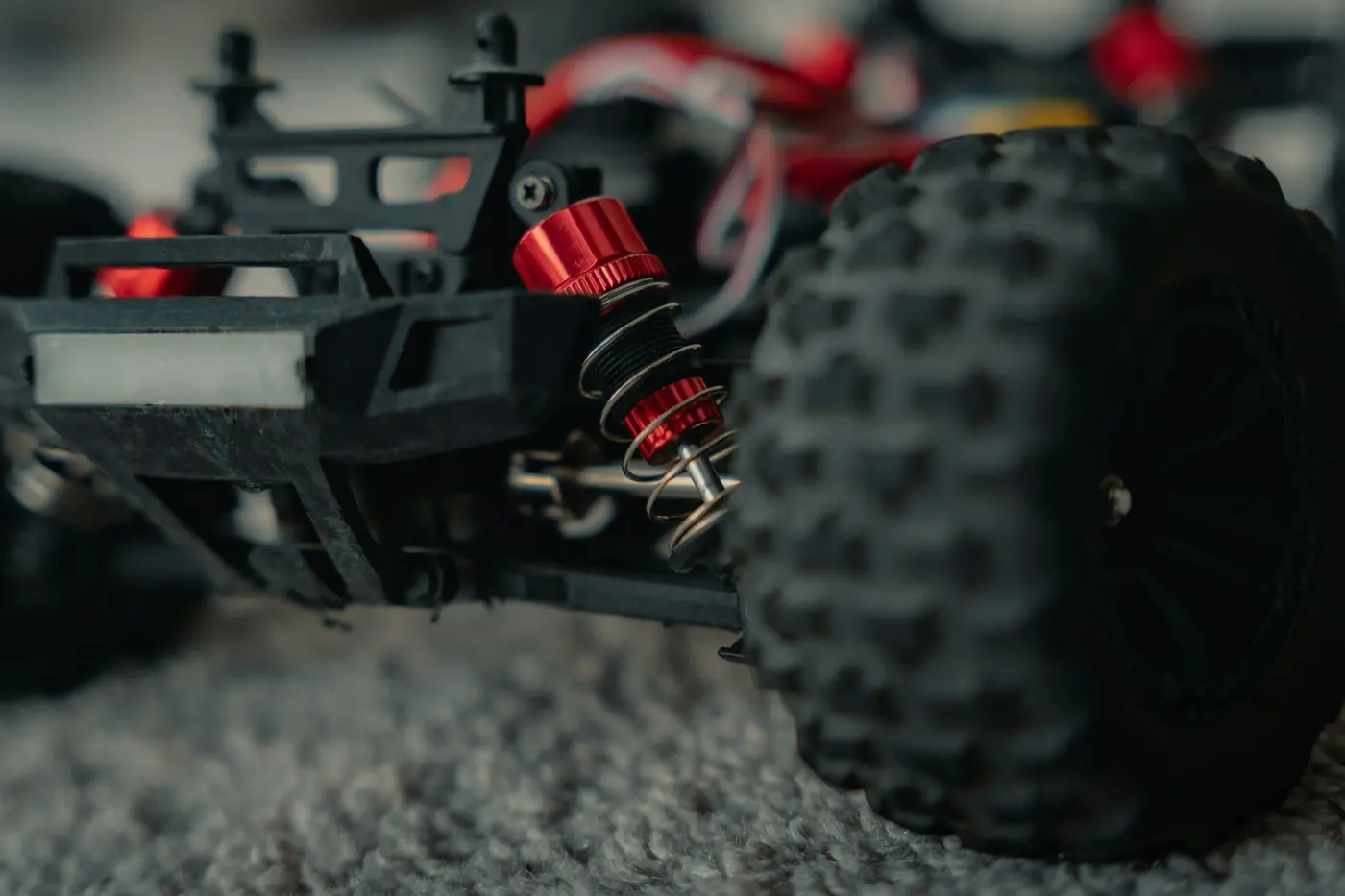
A simulator of the race track and vehicle, with a standard reinforcement learning interface, so teams can train before touching the real car.
Use cases
- Training driving policies
- Comparing algorithms on a fixed benchmark
Guidance · Network and visibility
Project review
Thirty minutes with the board to scope the idea, pick an architecture and set a first milestone.
Weekly checkpoints
For Edge Series teams: feedback, unblocking, and a workshop at each milestone.
Hackathon prep
Team building, pitch review, and a way into selective hackathons through our network.
Introductions
Engineers and researchers at companies like Google, Meta or Nvidia, and the AI clubs of other schools.
Publication
Your project on this site, on YouTube and on our social channels, with your name on it.
Partners
Companies that back the association meet the teams that use their tools.
Pitch
Pitch us a project
One paragraph is enough. We answer within 48 hours and we meet for thirty minutes.
In return: open source by default, a short write-up at the end, and a mention of Sevel Labs when you show the work.